
New Construction vs. Resale Homes in Baton Rouge: A Buyer's Comparison Guide
Greater Baton Rouge buyers face a market where new construction and resale homes each carry distinct tradeoffs in price, energy efficiency, warranties, and location. Parish-level differences—Ascension, East Baton Rouge, and Livingston—shape which option delivers more value depending on your priorities and timeline. Understanding what to compare before you shop can help you ask better questions and make a more confident decision.
Price, Value, and What You're Actually Paying For
Price is usually the first number buyers look at, but it's rarely the whole story. Research compiled for this market indicates new construction homes in Greater Baton Rouge often run higher per square foot than resale homes of similar size in the same general area—a gap that reflects new systems, finishes, and community amenities. Builders sometimes offset that premium with incentives such as interest rate buydowns or closing cost credits, though the availability and terms of those incentives vary by builder and development and should be confirmed directly with the builder at the time of your offer.
Resale homes, by contrast, may offer a lower entry price and more room to negotiate on price, contingencies, and closing costs—particularly in a balanced market. Parish-level median sale prices shift month to month and vary by data source and geographic scope; the figures in the stats card below reflect a February 2026 snapshot and should be verified against current listings and your agent's market analysis at the time you shop.
Buyers should also think beyond the purchase price. A resale home priced lower today may require near-term capital for repairs, system replacements, or energy upgrades. A new construction home priced higher may cost less to operate and maintain in the early years. Running a realistic five-year cost comparison—purchase price, estimated utilities, anticipated maintenance, and financing costs—gives you a more complete picture than the list price alone.
Energy Efficiency, Warranties, and Long-Term Maintenance
One of the clearest advantages of new construction is what you don't have to worry about—at least initially. Homes built to current Louisiana codes typically include modern insulation packages, energy-efficient windows, tankless water heaters, and HVAC systems designed for the region's heat and humidity. Some builders incorporate radiant barrier roof decking and storm-resilient construction features. These elements can translate to meaningfully lower monthly utility costs compared to an older home with original systems, though actual savings vary by home size, occupant habits, and utility rates.
Louisiana law provides an additional layer of protection for new construction buyers through the Louisiana New Home Warranty Act, which mandates minimum warranty coverage that builders cannot waive or reduce for owner-occupied homes. That coverage includes one year for general defects in workmanship and materials, two years for plumbing, electrical, heating, cooling, and ventilating systems, and five years for major structural defects. Buyers should review the specific warranty documents provided by their builder and consult a real estate attorney if questions arise about coverage, claims, or dispute resolution—warranty interpretation is a legal matter, not a real estate one.
Resale homes are typically sold without builder warranties. A comprehensive home inspection is standard practice and essential for understanding the condition of the roof, HVAC, plumbing, electrical, and foundation before you commit. According to Census-based data, the median construction year for Baton Rouge homes is reported as 1976, meaning a significant share of the resale inventory is 40 to 50 years old. Buyers of older homes should budget for the possibility of near-term system replacements and factor that into their offer and overall budget.
Location, Neighborhood Character, and Timeline
Where a home sits matters as much as what it's made of. New construction in Greater Baton Rouge is largely concentrated in newer subdivisions in Ascension Parish, Livingston Parish, and the southeastern portions of East Baton Rouge Parish. Communities active at the time this article was researched include Cane Mill Crossing, Brook Hollow, Legacy Oaks, Arbor Grove, Juban Gardens, Whispering Springs, Materra, and Woodstock Park, among others—though buyers should confirm current availability and community status directly with builders or their agent, as new development phases open and close. These developments often feature planned amenities—pools, walking paths, community green space—and are designed around modern suburban living. The tradeoff is that surrounding retail, dining, and infrastructure may still be developing, and the neighborhood character is newer and less defined.
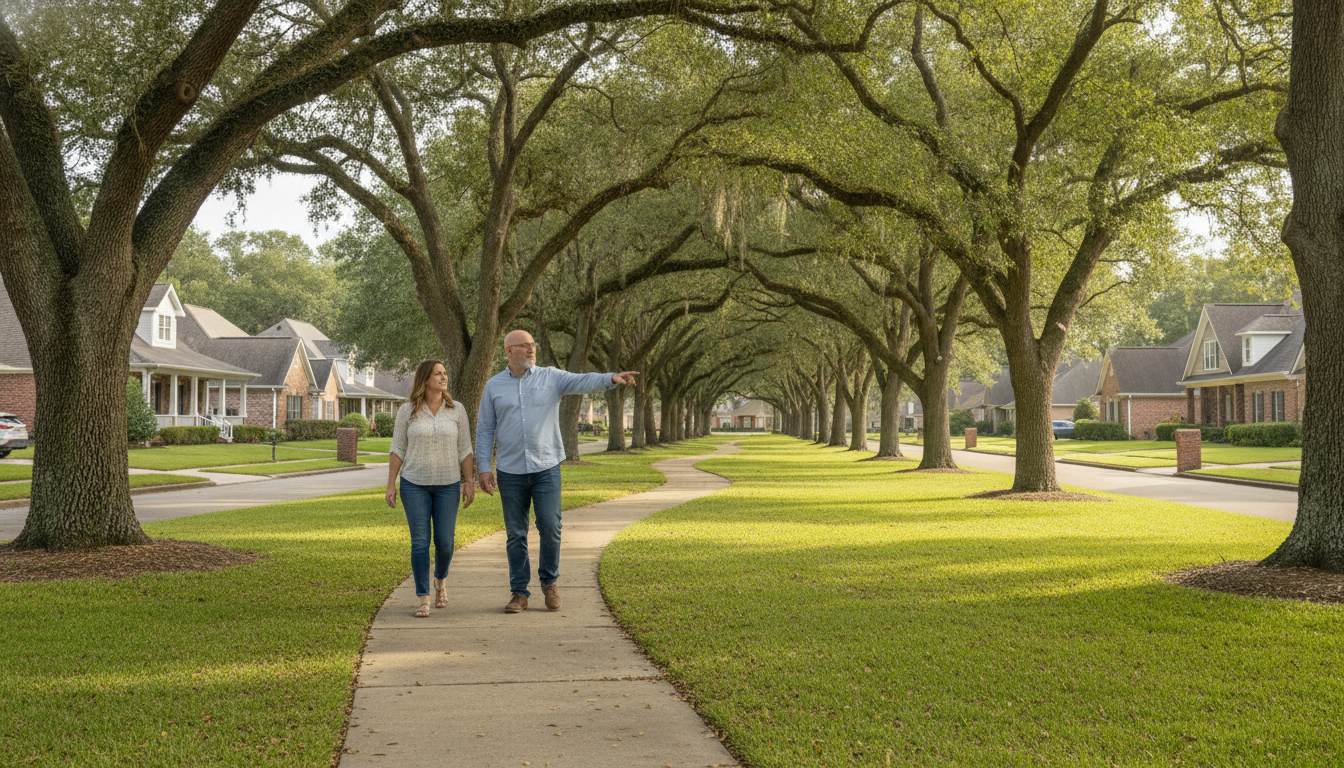
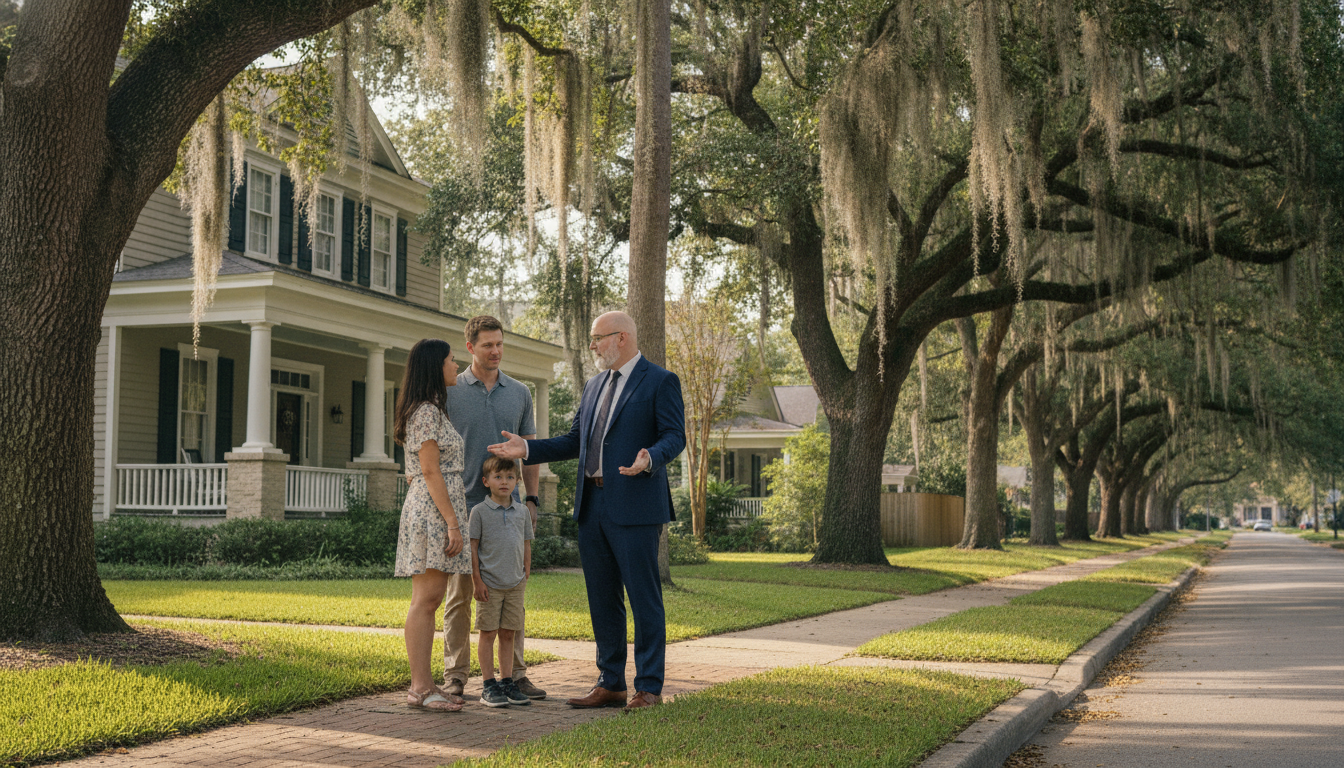
Resale homes open the door to Baton Rouge's established neighborhoods, including the Garden District, Spanish Town (one of the city's oldest neighborhoods, established in 1805), and areas near LSU and the medical corridor. These areas offer mature tree canopies, architectural variety, walkability, and proximity to downtown amenities that newer subdivisions simply cannot replicate. Homes in these corridors also attract consistent rental demand, which matters to buyers who may eventually convert the property to an investment.
Timeline is another practical factor. Building a new home from scratch can take four to twelve months depending on the builder, materials, and permitting. Quick-move spec homes—already under construction or complete—can shorten that window considerably. Resale transactions, by contrast, typically close in 30 to 45 days from an accepted offer, making them the faster path for buyers with a firm move-in deadline. If your lease is ending or you're relocating on a set schedule, timeline alone may narrow your options significantly.
Questions to Ask, Documents to Review, and Professionals to Involve
The due diligence process looks different depending on which path you choose, and knowing what to ask in advance can save you from costly surprises.
For new construction, ask the builder for the full warranty documentation and have a real estate attorney review it before you sign a purchase agreement. Builder contracts are typically drafted to favor the builder, and the terms—including what triggers a warranty claim, how disputes are handled, and what remedies are available—deserve careful legal review. Ask specifically what is and is not covered, how to submit a claim, and what the process looks like if a dispute arises. Also ask whether the community or specific lots qualify for any special financing programs, such as USDA Rural Development loans, and confirm current property and income eligibility with a licensed lender.
For resale homes, hire a licensed home inspector and review the seller's property disclosure carefully. Request copies of any permits pulled for renovations or additions, and ask about the age and service history of major systems—roof, HVAC, water heater, and electrical panel. Utility records from the past 12 months can give you a realistic picture of operating costs.
For both property types, flood zone status deserves serious attention in Greater Baton Rouge. Obtain the flood zone designation for any property you're considering, request an elevation certificate if one exists, and get an insurance quote from a licensed insurer before you're under contract—not after. Flood insurance costs vary significantly by zone, elevation, and structure type and can materially affect your monthly housing cost. Your lender, insurer, and a licensed insurance agent are the right professionals for that conversation. Property tax implications, including the Louisiana Homestead Exemption available on primary residences, are worth discussing with a tax professional or the relevant parish assessor's office to understand how they apply to your specific situation.
Baton Rouge Home Seller FAQ
Are new construction homes in Baton Rouge more expensive than resale homes?
Generally, yes. Research for this market indicates new construction typically carries a price premium over comparable resale homes in the same area, reflecting new systems, finishes, and community amenities. Builders sometimes offer incentives—such as rate buydowns or closing credits—to offset that gap, but availability varies by builder and development. Buyers should compare total cost of ownership, not just list price, since new homes may carry lower near-term maintenance and utility costs.
What warranties are required on new construction homes in Louisiana?
The Louisiana New Home Warranty Act mandates minimum coverage that builders cannot waive or reduce for owner-occupied homes. Required coverage includes one year for general defects in workmanship and materials, two years for plumbing, electrical, heating, cooling, and ventilating systems, and five years for major structural defects. Buyers should review the specific warranty documents provided by their builder and consult a real estate attorney with any questions about coverage, claims, or dispute resolution—warranty interpretation is a legal matter.
Which Baton Rouge parishes offer the most affordable home prices for buyers?
Based on research compiled through early 2026, Livingston Parish reported the lowest median sale prices among the three primary Greater Baton Rouge parishes, with many areas qualifying for USDA Rural Development financing. East Baton Rouge Parish and Ascension Parish have generally commanded higher medians, with Ascension typically the highest. These figures shift with market conditions and should be verified against current data and your agent's market analysis at the time you shop.
How long does it take to close on a new construction home versus a resale home in Baton Rouge?
Timelines differ significantly. Building a new home from scratch in Greater Baton Rouge can take roughly four to twelve months depending on the builder, permitting, and materials. Quick-move spec homes already under construction can shorten that window. Resale transactions typically close within 30 to 45 days of an accepted offer. If you have a firm move-in deadline—such as a lease expiration or job relocation—timeline alone may be a deciding factor in which path makes sense.
What should Baton Rouge buyers check about flood risk before buying any home?
Flood zone status is a critical due diligence item for any Greater Baton Rouge property, regardless of whether it's new construction or resale. Buyers should obtain the flood zone designation for any property under consideration, request an elevation certificate if one exists, and get an insurance quote from a licensed insurer before going under contract. Flood insurance costs vary significantly by zone, elevation, and structure type and can materially affect monthly housing costs. New construction in some communities is built on elevated foundations, which may reduce risk, but individual property assessment is still required.
Sources
- Living in Baton Rouge – 2026 Market Insights
- Louisiana New Home Warranty Act – Cromeen's Law Firm
- Louisiana New Home Warranty Act – Johns Law Group FAQ
- Louisiana Revised Statutes – New Home Warranty
- Baton Rouge Property Taxes – Borne2Sell
- Understanding Louisiana Property Taxes and Homestead Exemption – Alvarez Construction
- New Construction vs. Resale Homes in Louisiana – Service 1st Real Estate
- 5 Hottest New Construction Communities in Baton Rouge Under $400K – Sharon Sells BR
- Energy-Efficient Construction Guide for Louisiana – Alvarez Construction
- Cost to Build a House in Baton Rouge – Home Builder Digest